CostCut2: Advanced Fabrication Management
Project Scope
Following the success of my initial fabrication cost estimator, I realized the workflow needed to evolve from a simple calculator into a complete business management tool. CostCut2 improves upon the original by integrating Firebase for cloud data persistence, automating market-rate updates via daily web scraping, generating professional PDF invoices, and tracking long-term financial performance. This eliminates the guesswork from custom pricing and replaces paid subscription services with a self-hosted, all-in-one shop management platform.

The Challenge
While the original app sped up the quoting process, it still relied on manual data entry and lacked project lifecycle management.
- Costly Market APIs: Industrial steel prices fluctuate daily, but financial APIs that track raw metal costs charge steep enterprise subscription fees.
- Fragmented Software: Free invoicing solutions are often heavily restricted or watermarked, forcing me to jump between a calculator, a spreadsheet, and a third-party app just to bill a client.
- Tax & Profit Tracking: Running a CNC plasma operation requires strict financial tracking for tax purposes, which is tedious to maintain manually across dozens of custom hobby and freelance jobs.
1. Automated Pricing Engine (Web Scraping)
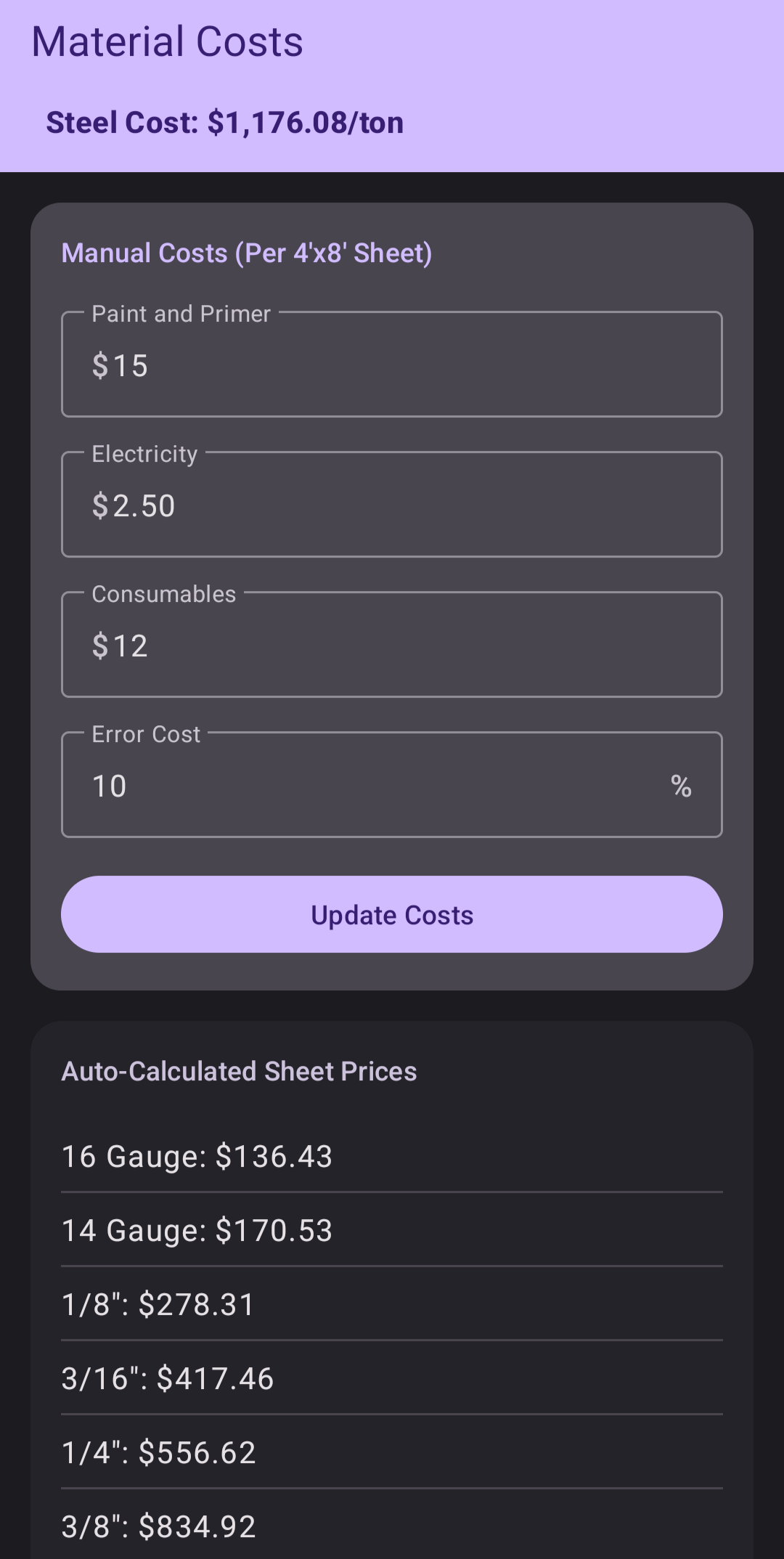
To bypass expensive API subscriptions, I engineered a serverless solution to keep material costs perfectly accurate. A custom script runs on Firebase Cloud Functions once a day, scraping a financial website to extract the current, live price of industrial steel per ton.
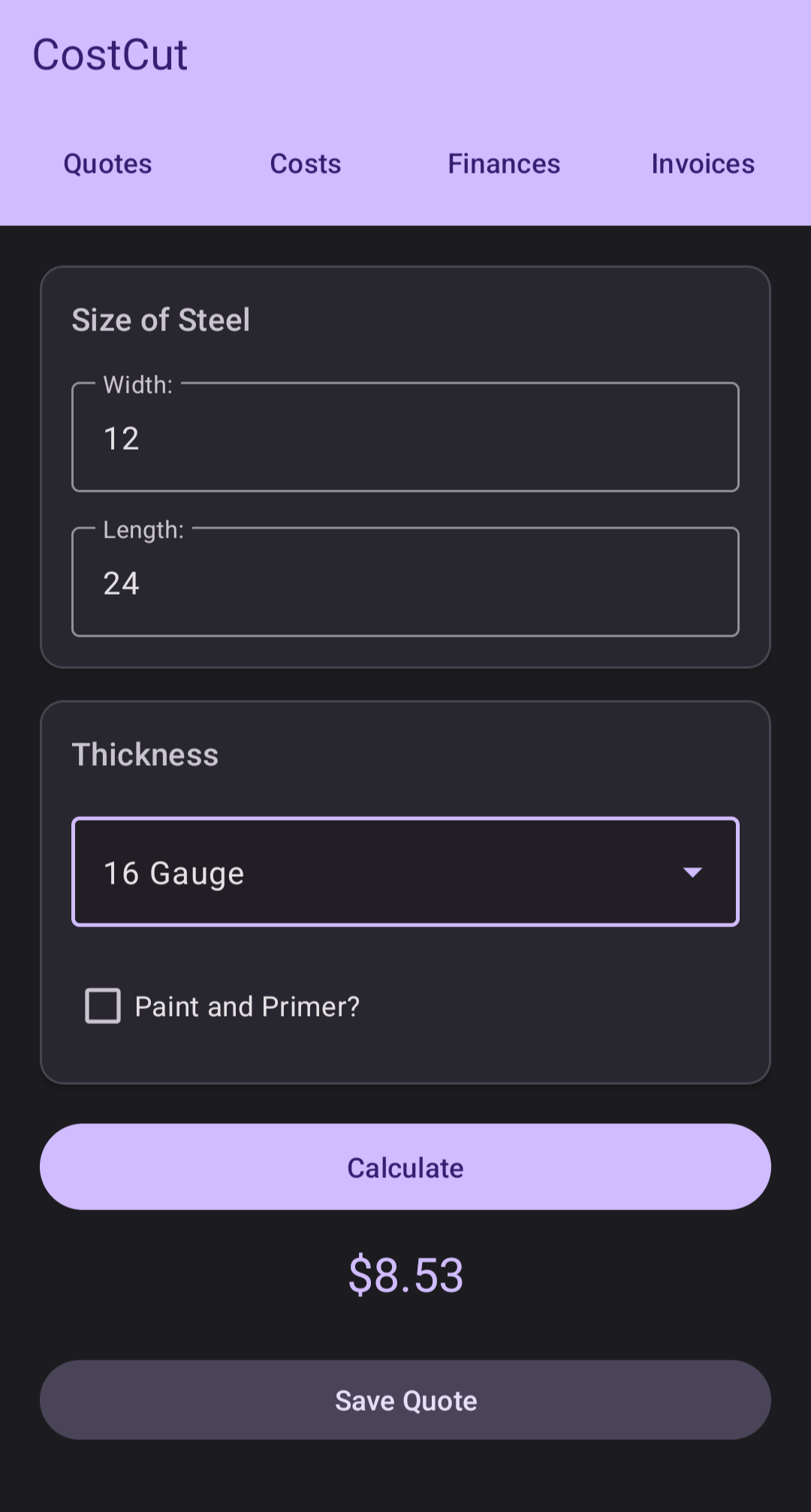
The app automatically parses this ton price (e.g., $1,176.08/ton) and algorithmically breaks it down into individual auto-calculated sheet prices for varying thicknesses, such as 16 Gauge or 1/4” plate. From the calculation UI, the user simply inputs the width and length dimensions, selects the material gauge, and the app instantly calculates the precise material cost.
2. Cloud Data & Lifecycle Management
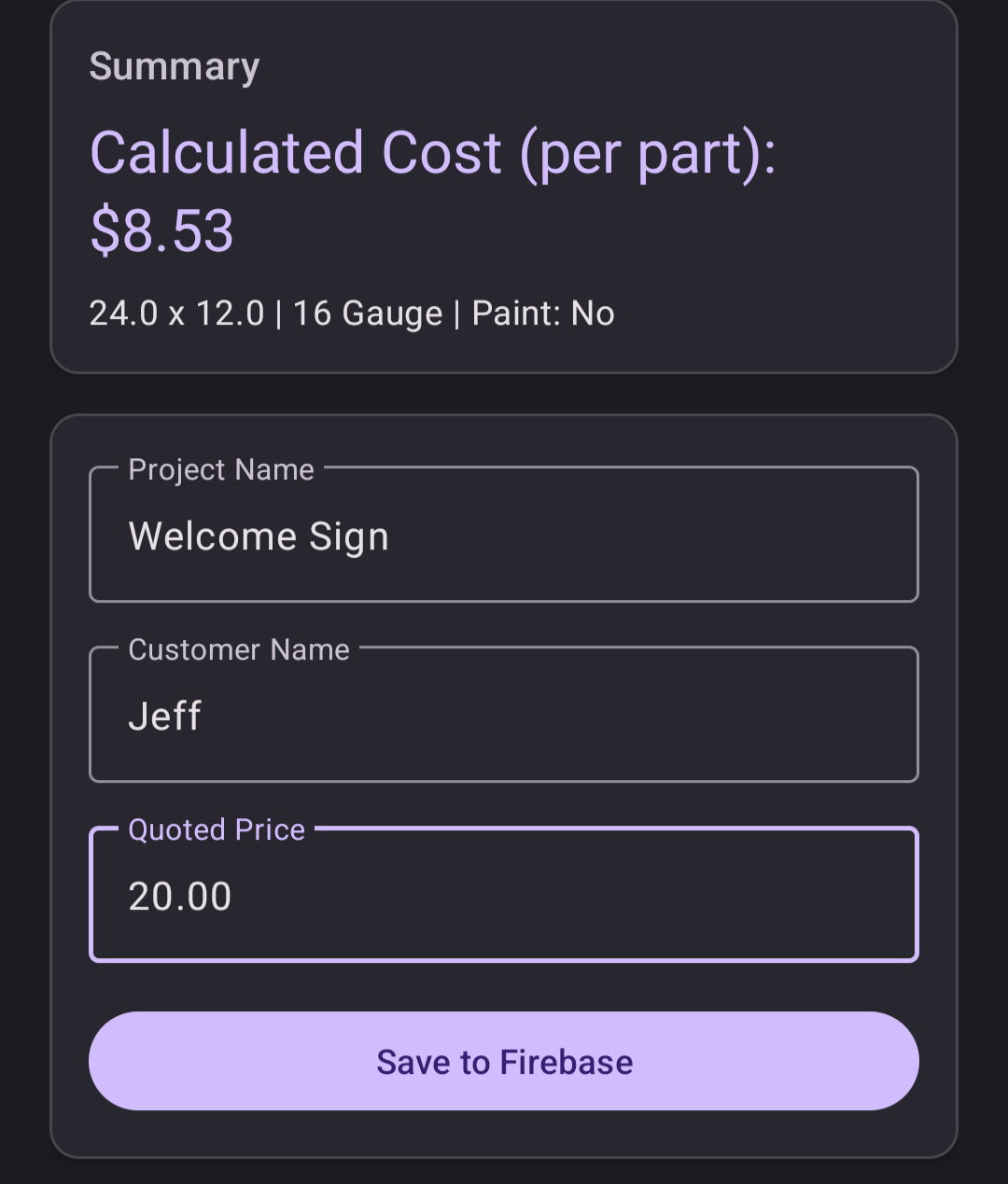
Moving away from local SharedPreferences, the system now utilizes Firebase Firestore to handle relational database tasks. After running a calculation, users can assign a project name, customer name, and customized quoted price, then save the entire object directly to the cloud.
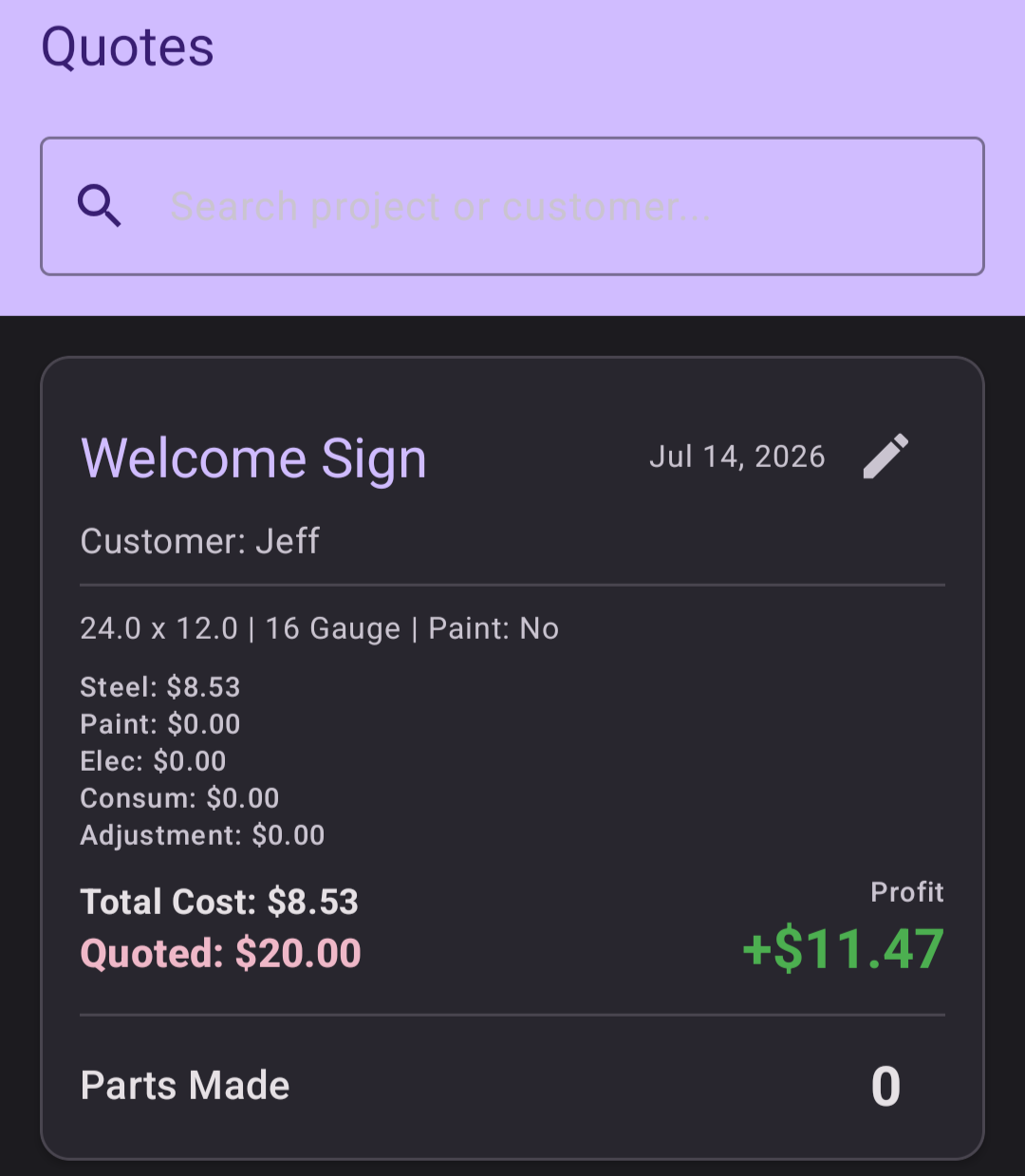
The saved quotes tab instantly visualizes the delta between the algorithmic production cost and the quoted price, explicitly displaying the exact profit margin for the job to ensure viability before cutting any metal.
3. Native PDF Invoicing
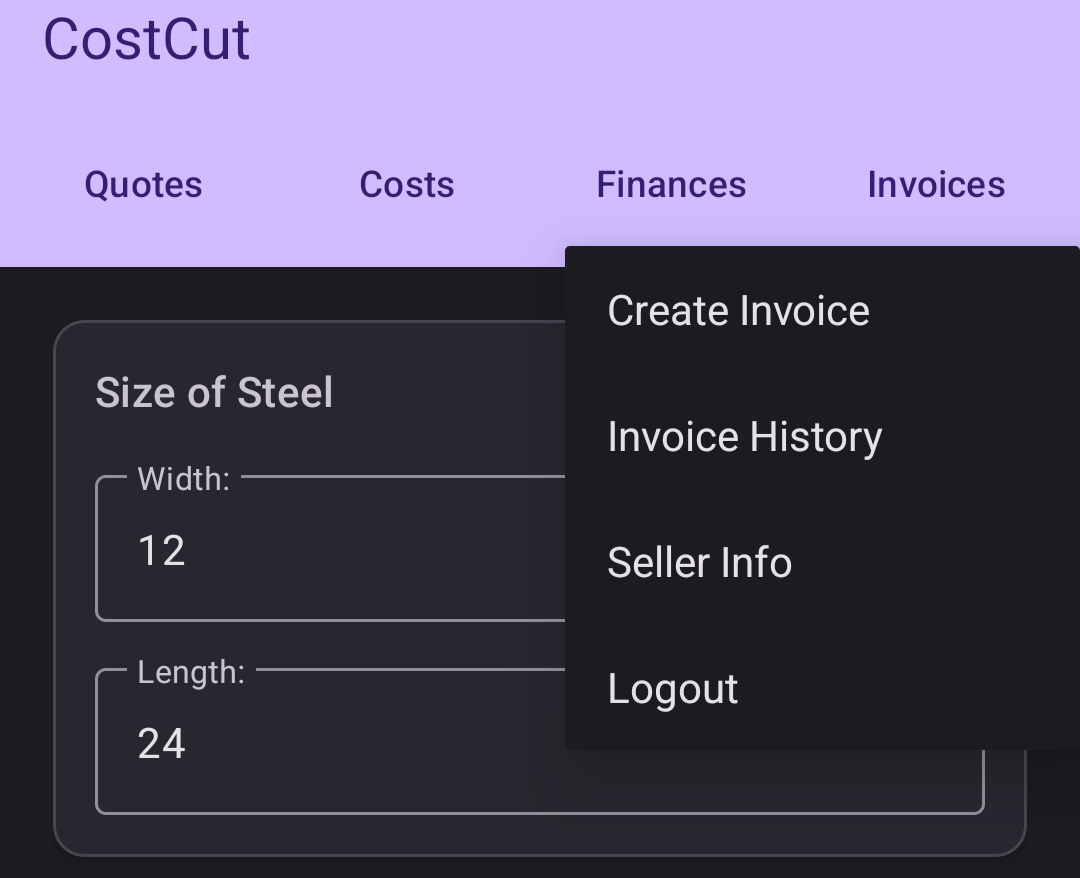
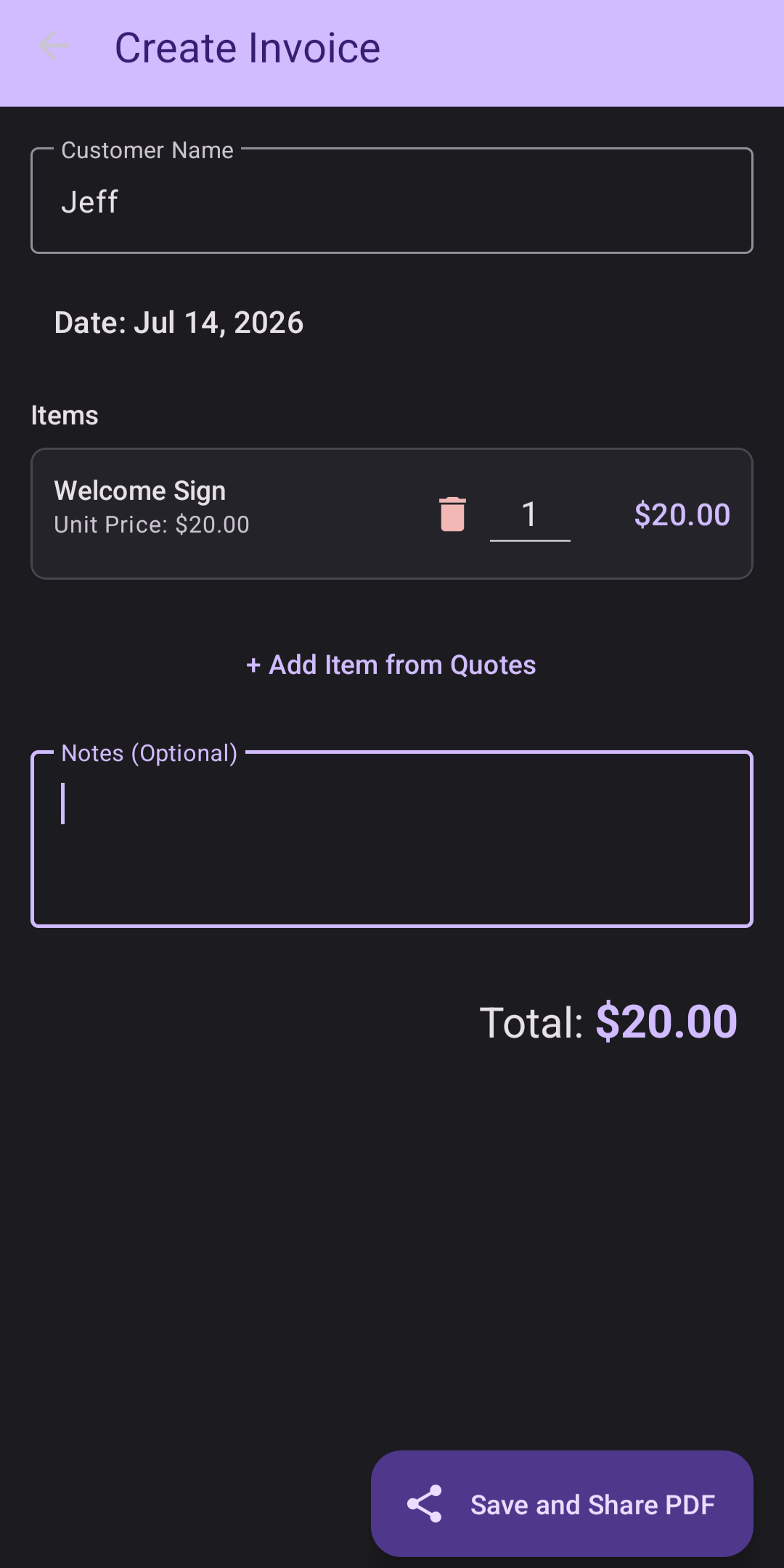
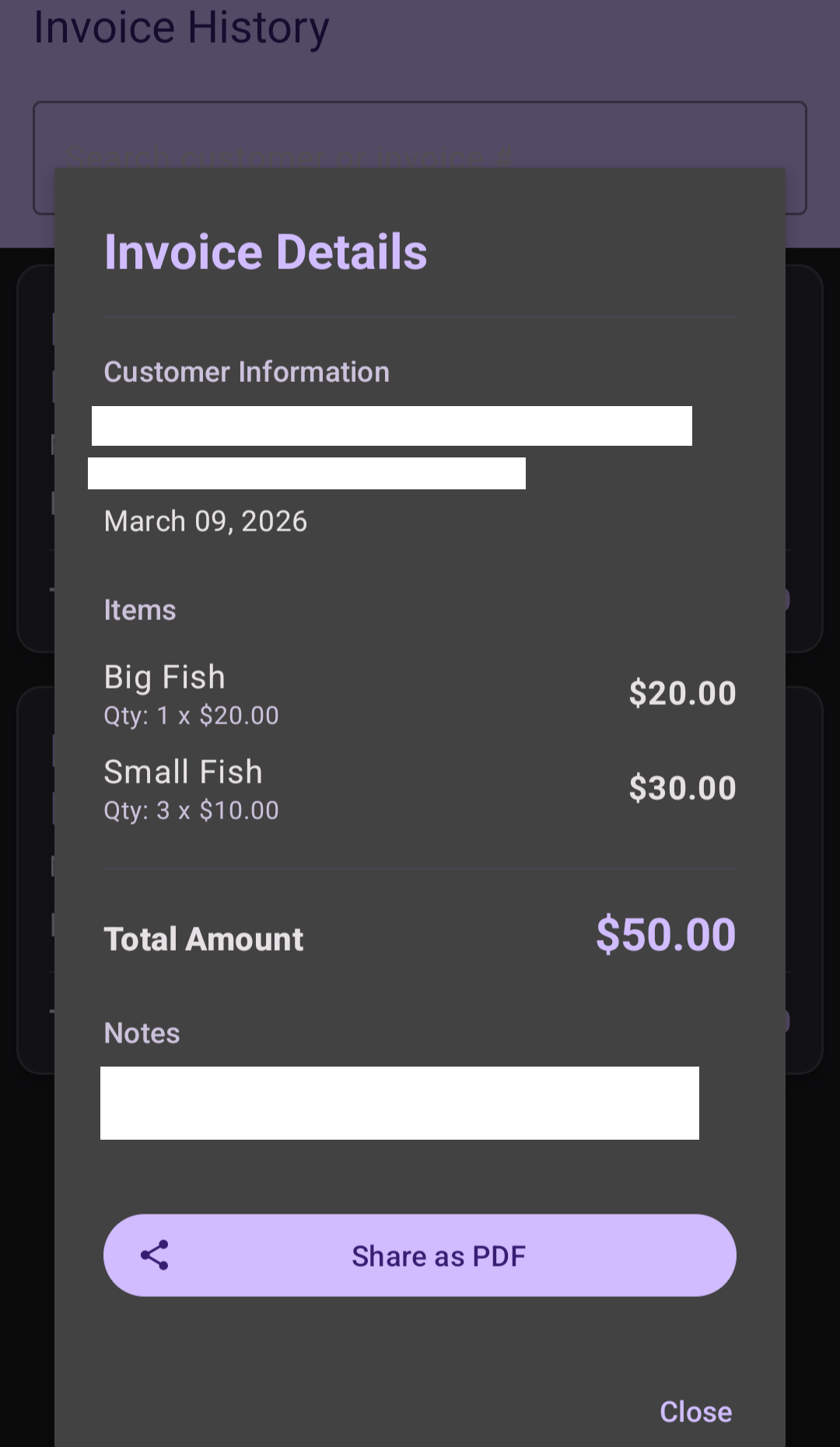
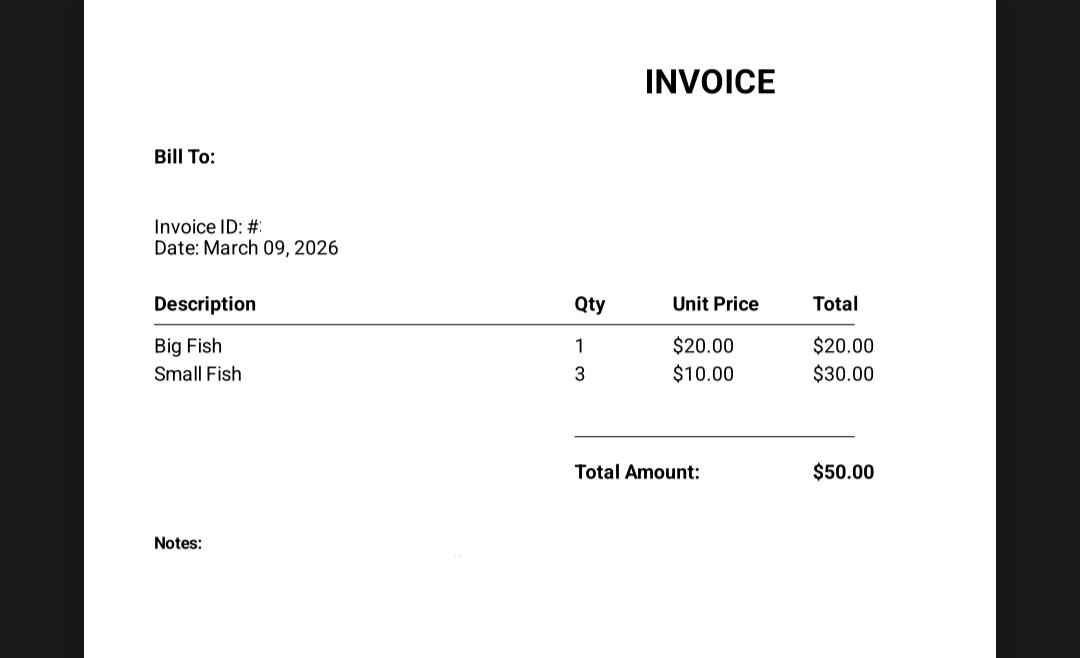
I built a custom invoicing engine directly into the app using Android’s native graphics and PDF APIs, completely eliminating the need for third-party billing software. From the central navigation menu, users can pull line items directly from their saved quotes, add notes, and finalize totals within the creation interface.
The app programmatically draws the text and layouts to an Android PdfDocument canvas, generating a clean, professional invoice. A dedicated history tab allows users to search past invoices, review customer information, and instantly re-share the documents as PDFs via the Android intent system.
4. Business Analytics
To solve the tax and hobby tracking issue, the application aggregates all invoice and quote data into comprehensive reporting.
The system generates a top-down Financial Performance Report outlining Total Revenue, Total Production Cost, and Net Profit. It automatically separates material costs from operational overheads like electricity and consumables, while tracking metrics like Average Profit per Project to make year-end accounting seamless.
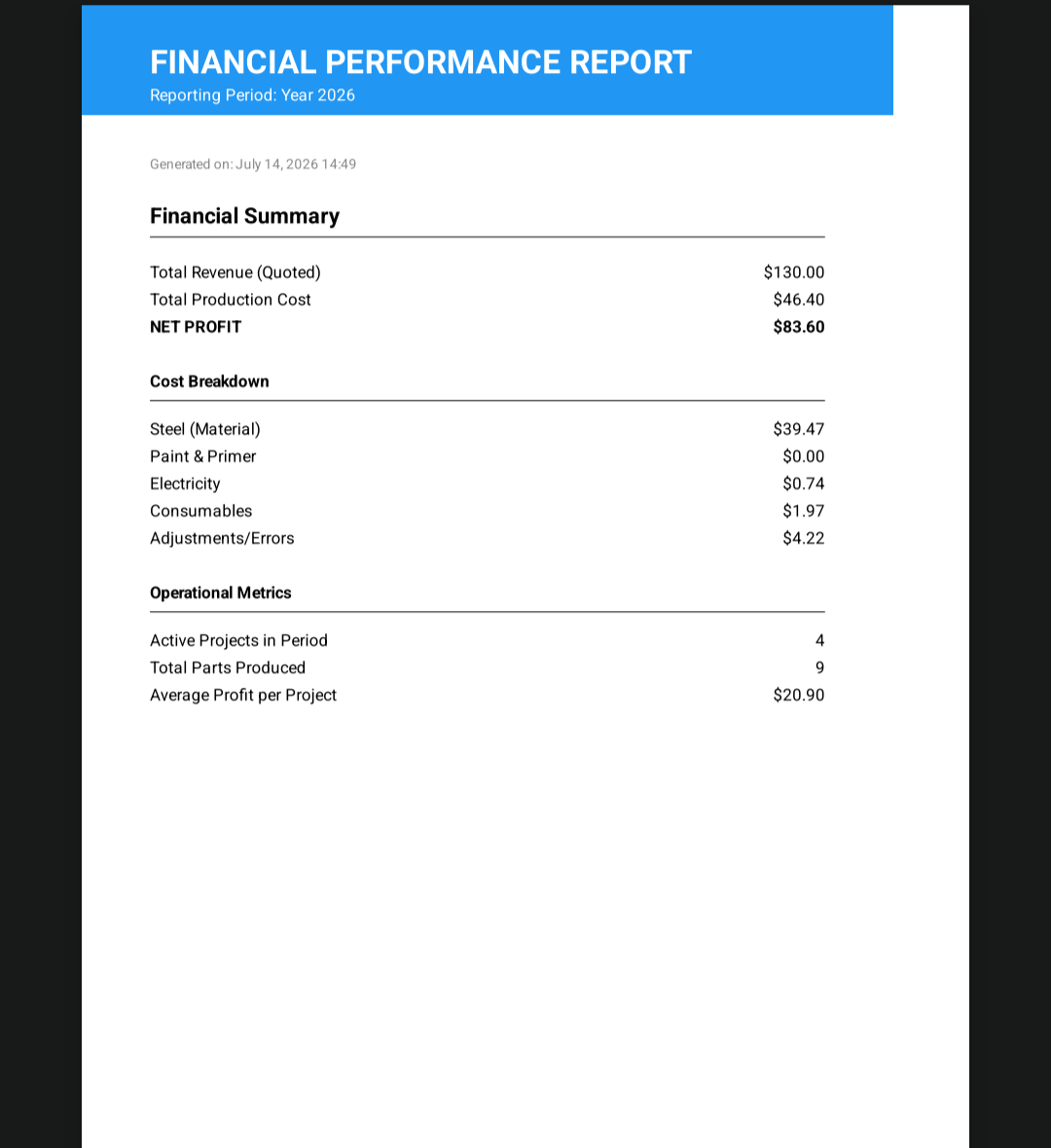 Figure: Automated system balance summaries and long-term macro analytics.